What is gum disease?
Periodontal disease also referred to as Gum disease is an infection of the tissues that surround and support your teeth. It is a major cause of tooth loss in adults. Because gum disease is usually painless, you may not know you have it.
Gingivitis
The early stage of gum disease is called gingivitis. If you have gingivitis, your gums may become red, swollen and bleed easily. At this stage, the disease is still reversible and can usually be eliminated by a professional cleaning at dental office, followed by daily brushing and flossing. Plaque and its toxin by-products irritate the gums, making them tender, inflamed, and likely to bleed.
Periodontitis
Advanced gum disease is called periodontitis. As calculus and plaque continue to build up, the gums begin to recede from the teeth. Deeper pockets form between the gums and teeth and become filled with bacteria and pus. The gums become very irritated, inflamed, and bleed easily. It can lead to the loss of tissue and bone that support the teeth and it may become more severe over time. If it does, your teeth will feel loose. This is the most common form of periodontitis in adults but can occur at any age. It usually gets worse slowly, but there can be periods of rapid progression.
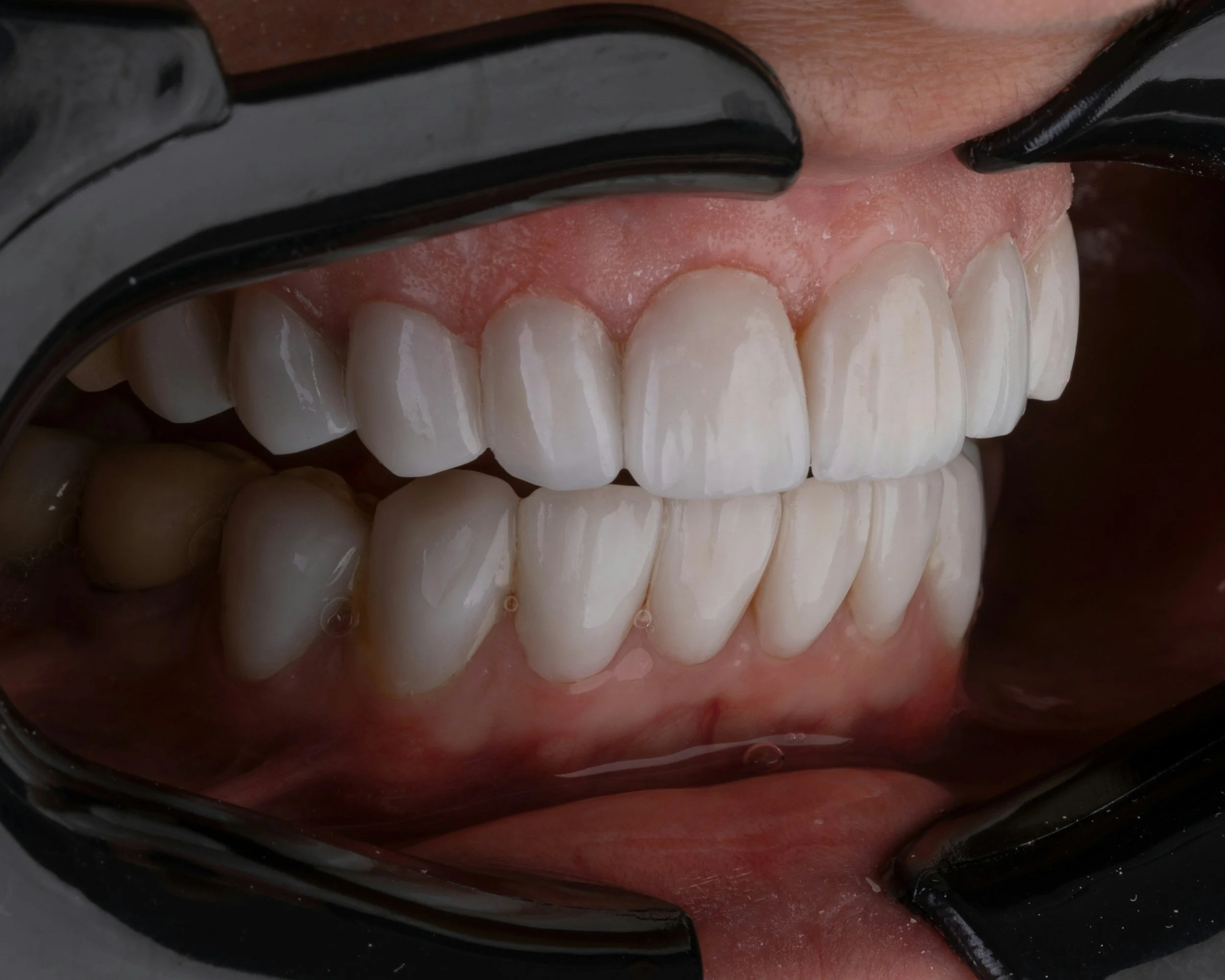
Periodontal treatment:
Scaling and root planning are common periodontal treatments that can remove the harmful plaque and tartar from the teeth. The gum line can then be cleaned to eliminate bacteria buildup. Antibiotics may be applied to the gum pockets to promote healing. Laser treatment may be advised.
Before and after periodontal treatment, the dentist and hygienist will recommend proper home care and oral maintenance as well as prescribing prescription mouthwashes which serve to deter further bacteria colonization.